Soot Damage Restoration in Phoenix, AZ
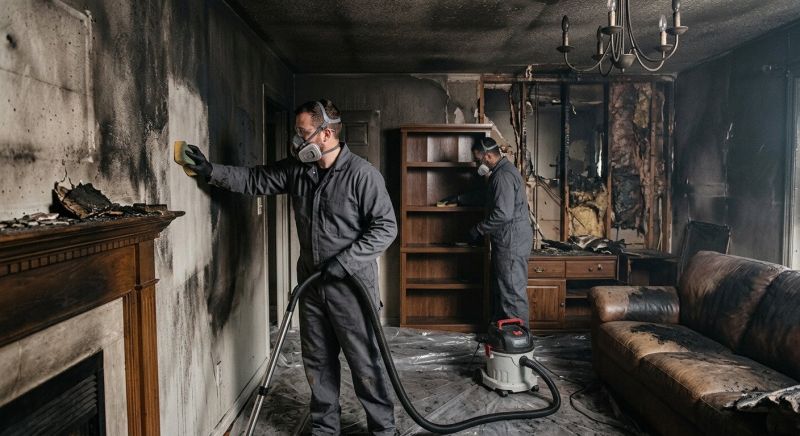
Soot damage restoration services focus on cleaning and repairing properties affected by soot residue resulting from fires, smoke, or other combustion sources. These projects typically involve removing soot from walls, ceilings, furniture, and ventilation systems, as well as addressing any lingering odors or staining. Property owners often want to understand the extent of soot contamination, the cleaning methods used, and how the restoration process can help restore the appearance and safety of their home or business.
Before requesting soot damage restoration, homeowners should consider the severity of the soot buildup and whether there are underlying fire or smoke issues that require attention. It’s also helpful to know the types of surfaces affected, as some materials may need specialized cleaning techniques. Clarifying the scope of work and any potential additional repairs can ensure the restoration process effectively restores the property’s condition and reduces the risk of ongoing odors or damage.
Many property owners in Phoenix, AZ look into Soot Damage Restoration for repairs, replacements, upgrades, and appearance-related improvements.
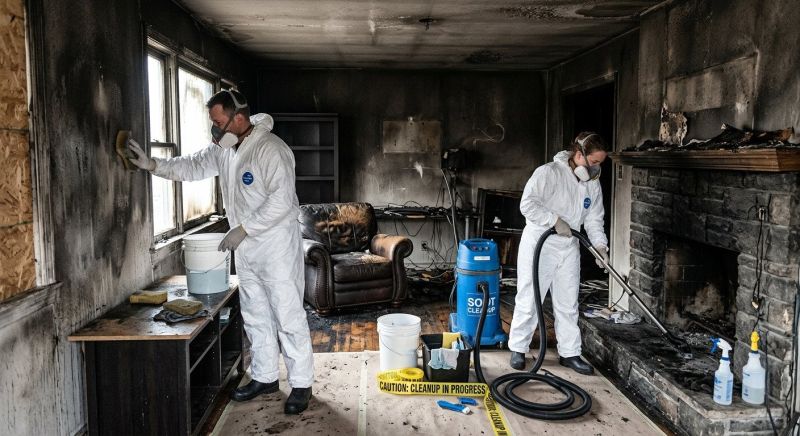
Signs Of Soot Damage
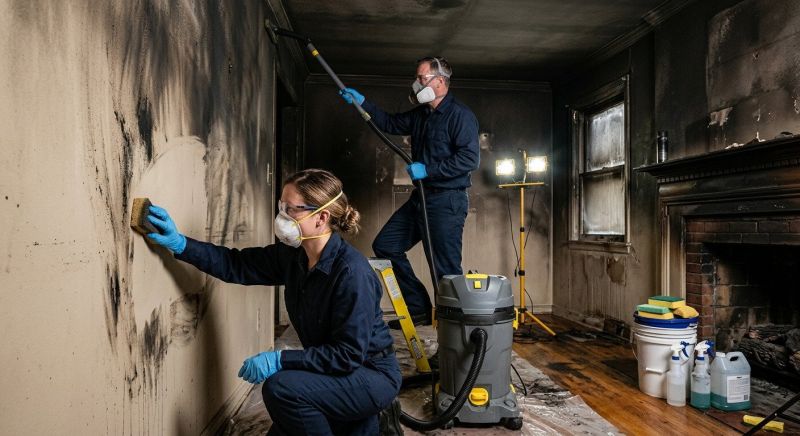
Visible dark stains and residue indicate soot infiltration in your property.
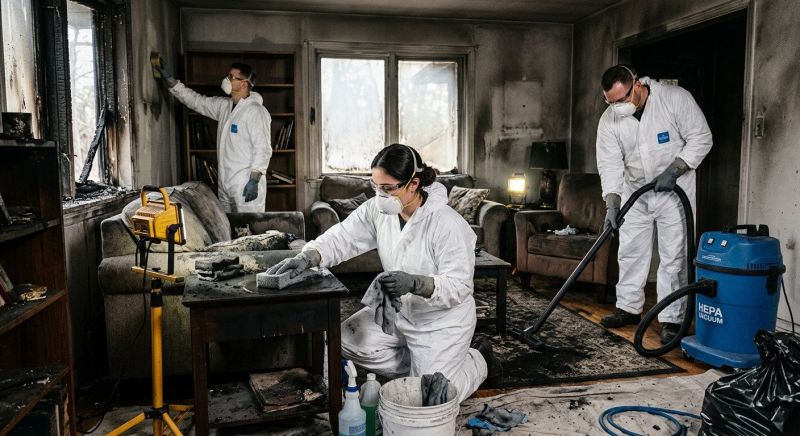
Restoration Techniques
Professional cleaning and deodorizing restore surfaces affected by soot and smoke residues.
Preventing Future Damage
Proper ventilation and maintenance help reduce the risk of soot buildup after fire incidents.
Soot Damage Restoration in Phoenix, AZ

Soot damage restoration services focus on cleaning and repairing properties affected by soot residue resulting from fires, smoke, or other combustion sources. These projects typically involve removing soot from walls, ceilings, furniture, and ventilation systems, as well as addressing any lingering odors or staining. Property owners often want to understand the extent of soot contamination, the cleaning methods used, and how the restoration process can help restore the appearance and safety of their home or business.
Before requesting soot damage restoration, homeowners should consider the severity of the soot buildup and whether there are underlying fire or smoke issues that require attention. It’s also helpful to know the types of surfaces affected, as some materials may need specialized cleaning techniques. Clarifying the scope of work and any potential additional repairs can ensure the restoration process effectively restores the property’s condition and reduces the risk of ongoing odors or damage.
Many property owners in Phoenix, AZ look into Soot Damage Restoration for repairs, replacements, upgrades, and appearance-related improvements.
Common Soot Damage Restoration Jobs
Soot Damage Restoration - Restores indoor air quality and eliminates lingering odors caused by soot.
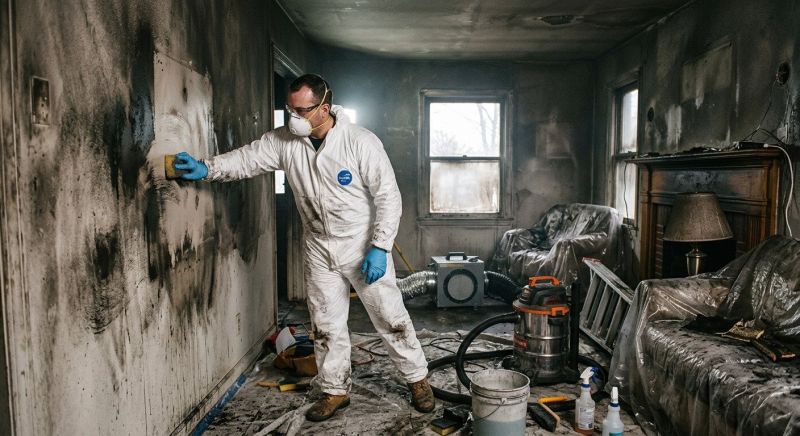
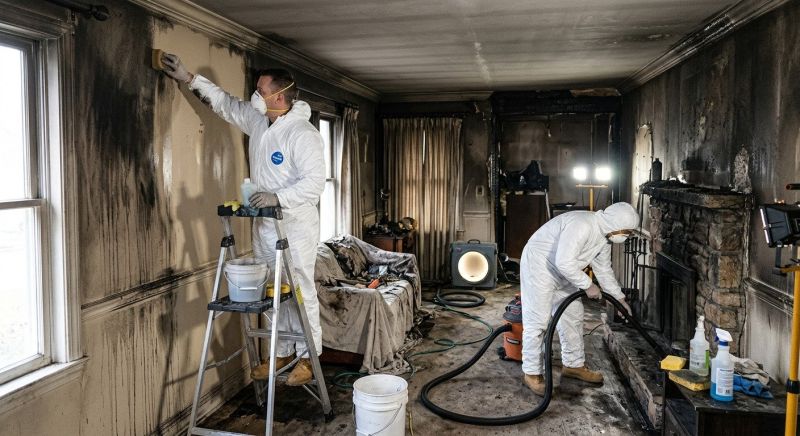
Fire Damage Cleanup - Removes soot residue from walls, ceilings, and surfaces after a fire.
Home Odor Removal - Uses specialized techniques to eliminate smoke and soot odors effectively.
Surface Cleaning - Cleans and restores soot-stained walls, furniture, and appliances.
Structural Restoration - Repairs and restores soot-damaged building materials for safety and appearance.
Smoke Damage Repair - Restores property affected by smoke and soot to pre-incident condition.
Soot Damage Restoration Questions
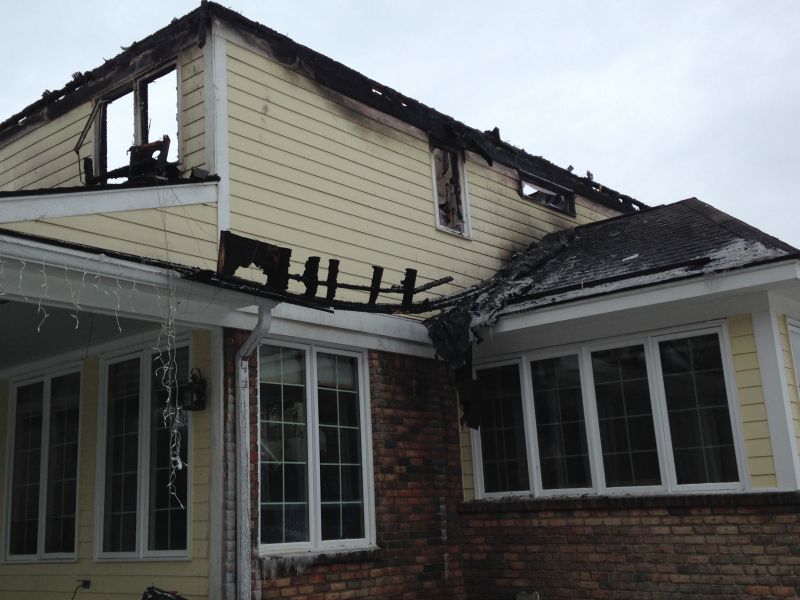
What causes soot damage in homes? Soot damage typically results from fires, heating system malfunctions, or cooking accidents that produce smoke residue.
What areas can be affected by soot damage? Soot can settle on walls, ceilings, furniture, and HVAC systems, impacting multiple surfaces and materials.
How does soot damage impact property value? Soot residue can cause staining and odors, potentially decreasing property appeal and value if not properly addressed.
What are common signs of soot damage? Visible black or brown stains, persistent odors, and soot particles on surfaces are signs that restoration may be needed.
Request Soot Damage Restoration in Phoenix, AZ
Use the quote form on this page to share the basics of your project and request more information for the type of work you need.